Do we have the actual suit yet?
Nothing yet filed in the D.C. district court as of this writing.
Would the Kennedy Center's statement that the concert had "dismal ticket sales and lack of donor support" be admissible in the assessment of damages?
The actual financial position of the concert would be probative to that end. But mere statements made in public wouldn't necessarily be that evidence. The evidence in court would be financial records and statements attested to by the center's accountants regardless of any derogatory statements the center may have made in public.
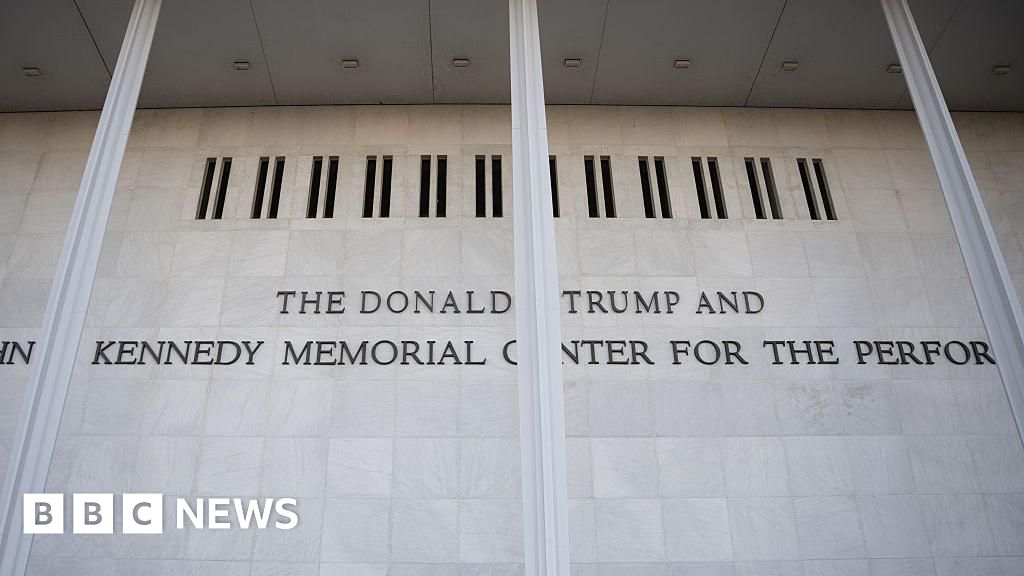
Based on what the Kennedy Center posted on its Facebook page, I would think that performers would now have a solid case for being able to cancel performances based on the Kennedy Center driving away potential ticket buyers:
Any statement to the effect that the center is intentionally changing its image would help an argument founded on its reputation among performers and patrons.
If Redd argues that the change of name had the effect of changing the institution's reputation, and the center counters by saying the name change enhanced the center's reputation, then factual evidence concerning the change's reputational effect would become fair game for discovery, would it not?
Yes, to the effect that the change of reputation was intended.
Reputation is not really the right concept, though. As I said, what's Charlie Kirk's reputation? Was he a bigot or a saint? A better way to think about it is in terms of value to the other party.
It may not ultimately matter if the center's stated intent was to improve their reputation, but discovery reveals internal documents asserting that the real purpose was to flatter some fat orange slob. The intent to make a material change
at all is more important than a disinterested party's opinion of the value of the change. What matters is the change in value to the other party, who does have an interest.
I have an antique parlour organ that belonged to my great grandmother. If I enter into a contract of sale for it to an antiques collector, and before I deliver it I strip its finish and give it a nice shiny new coat of polyurethane, the buyer might have cause to withdraw from the sale because I have altered the value of the artifact
to the buyer. One could argue that I increased the organ's value by giving it a better, more protective finish. But that's not what the buyer considers valuable about an antique organ.
Similarly if I arrange to sell a batch of
Sigmund the Sea Monster collectible action figures and I remove them from the packaging in order to fit them into the shipping box, the buyer may have cause to withdraw. Anyone who knows collectibles knows that their collectible value is destroyed by removing the object from its packaging. There is negligible loss of inherent value in doing so, but there is a tremendous loss of value
to the buyer.
On the other side of the coin, have a look at my avatar. The contract by which I appeared in that stage production included clauses that forbade me from materially changing my appearance during the run of the show. This is common for actors. They may not cut or color their hair, or get new tattoos etc. This is because the other party to the contract—the theater—has contracted for my likeness as it stands. I have a duty of care to preserve that likeness in the form that has the contracted-for value to the theater. The point is not whether I would look good in a mustache or not. The point is whether that mustache alters my value to the other party as the contract regards it.
But of course we circle back to the initial breach. The performer may have a defense in saying that performing at the venue no longer has the original value when the contract was made, and that the change in value
to the performer was the result of the venue's intentional actions and thereby releases him. But assuming standard contract terms, the clear breach is Redd's. Unilaterally withdrawing from a contract is legally risky. Redd's value to the center is in his actually performing as promised to the center's ticket holders, no matter how few of them there may have been. His failure to perform was clearly intentional and caused a clear injury. That's where a court will look first.