• Quick note - the problem with Youtube videos not embedding on the forum appears to have been fixed, thanks to ZiprHead. If you do still see problems let me know.

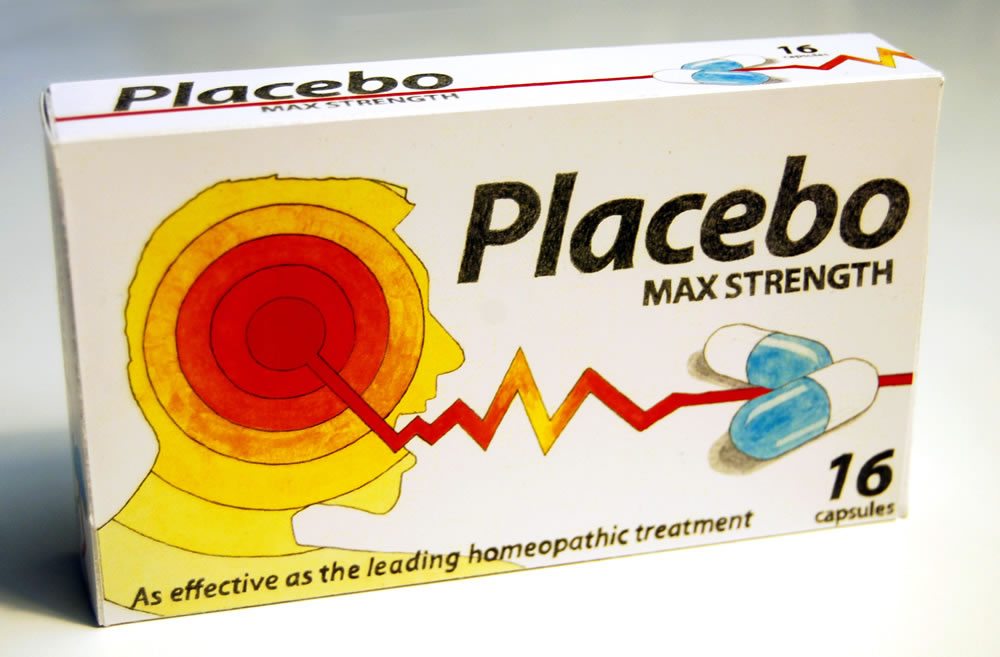
The Placebo Effect

The use of placebo controls in clinical trials (Science-Based Medicine, Mar 20, 2025)
Why the value of placebo controls is not an affirmation of a powerful placebo effect
(...)
The primary value of placebo controls in clinical trials is the minimization of bias.
(...)
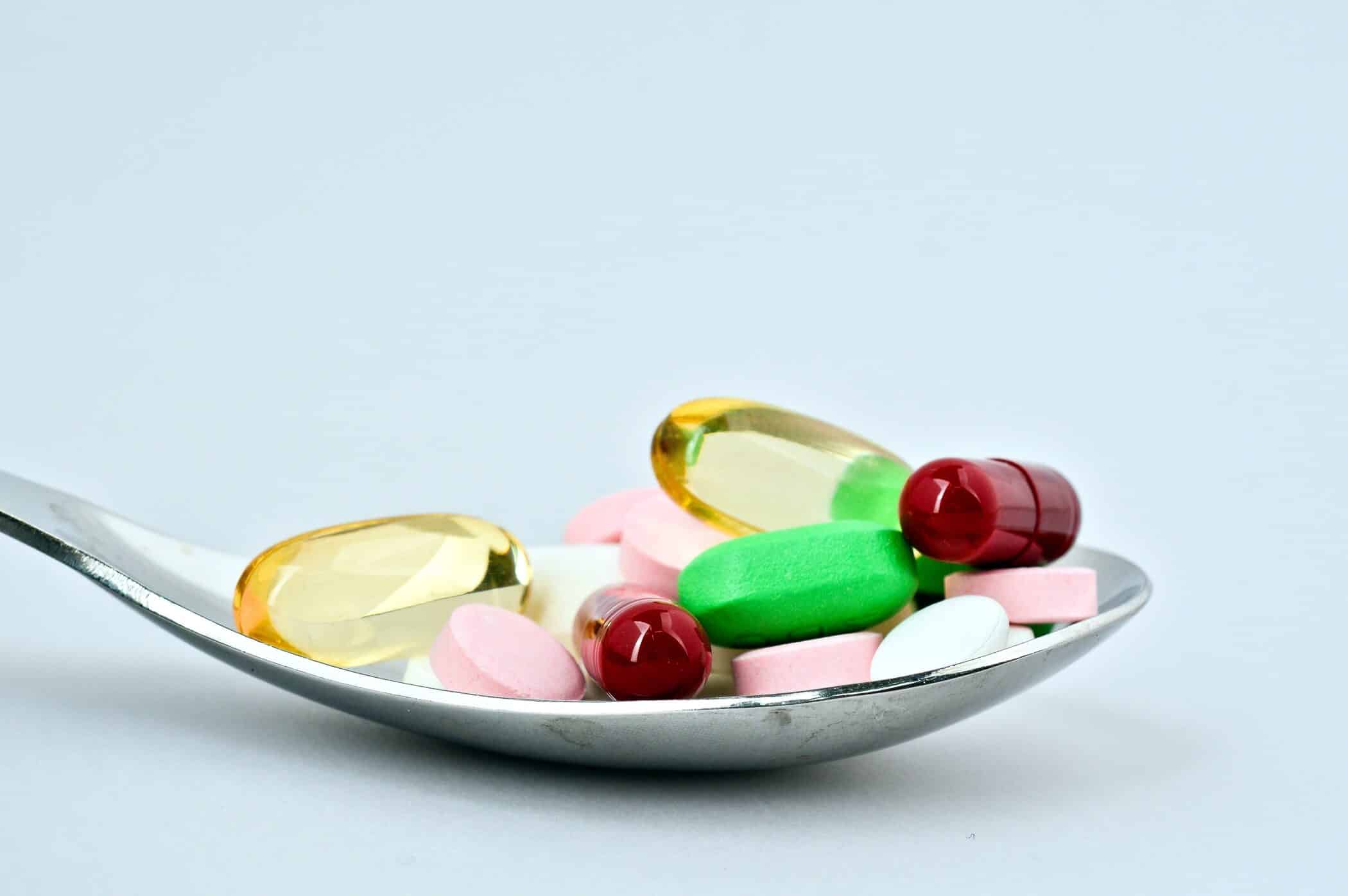
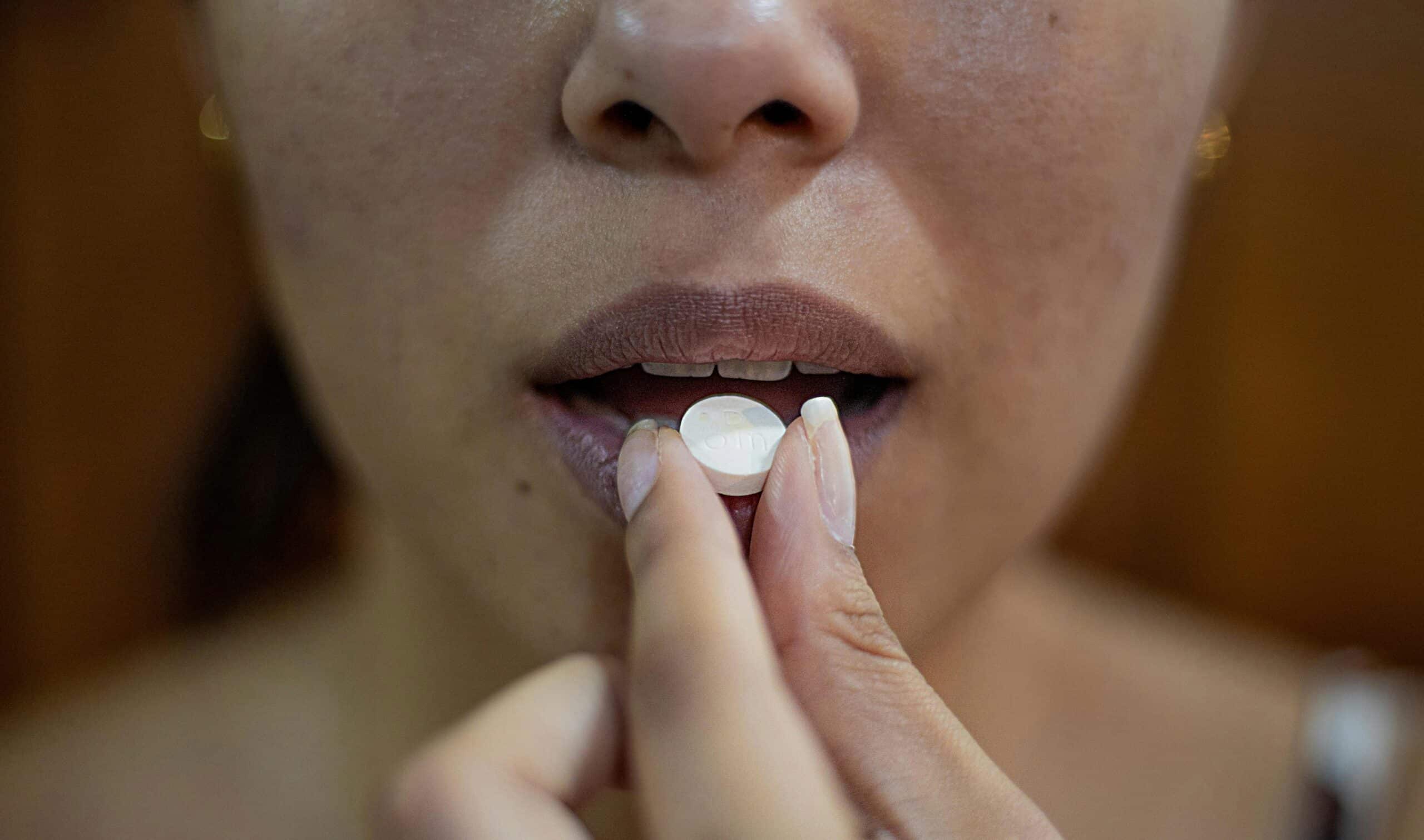
It should be evident that without a placebo control, it is impossible to keep the participants blinded to their assignment. A control participant in a drug trial cannot be blinded to their group assignment if they are aware of whether or not they are taking the study drug. The placebo is designed to resemble the treatment as closely as possible to maintain the blinding of the participants. “Sugar pill” is a term sometimes used to express the inert nature of a placebo. A placebo pill will generally look identical to the study drug. It often contains the same inactive ingredients as the study drug.
 
Retraction Watch:


Walach’s group analyzed 30 clinical trials for each of five conditions — osteoarthritis, depression, migraines, sleep disorders and irritable bowel syndrome — and analyzed the improvement in both the placebo and treatment groups. The authors conclude “that the placebo-effect is the major driver of treatment effects in clinical trials that alone explains 69% of the variance.”

Stephen Rhodes, a researcher at University Hospitals Cleveland Medical Center in Ohio, criticized the study in a letter to the editor in February, citing a “number of errors that lead to some sweeping conclusions.” In the letter, Rhodes wrote those leaps “reflect a misunderstanding of what a ‘treatment effect’ is,” noting that in a placebo-controlled trial, the measure can’t be “due to placebo.”
 
I'm sure it's been mentioned in the thread already but is there a specific term for the improvement a person gets not from treatment per se but from the positive psychological effect of seeing a doctor that makes you feel like you are being taken seriously? I'm sure I saw something a few years ago about people for whom just having a positive experience with their health care provider improved their IBS or something like that, and they were trying to figure out if it was just the lowered stress or what.
 
I'm sure it's been mentioned in the thread already but is there a specific term for the improvement a person gets not from treatment per se but from the positive psychological effect of seeing a doctor that makes you feel like you are being taken seriously?
Placebo effect.
 
Placebo effect tends to get used as an umbrella term for all the sources of error that can lead to someone thinking a medical treatment was effective when it wasn't, though. So it also includes the psychological effect of taking a pill, confirmation bias, regression to the mean. People who never even went to the doctor can still erroneously conclude that a homeopathic remedy made them feel better because of the placebo effect. I don't know of a specific term for the contribution to it that Lithrael describes.
 
I'm sure it's been mentioned in the thread already but is there a specific term for the improvement a person gets not from treatment per se but from the positive psychological effect of seeing a doctor that makes you feel like you are being taken seriously? I'm sure I saw something a few years ago about people for whom just having a positive experience with their health care provider improved their IBS or something like that, and they were trying to figure out if it was just the lowered stress or what.
The problem is that these improvements are only in subjectively reported outcomes. When results are actually measured, as in the asthma study, these improvements turn out to be illusory.
 
It sounds like that is usually true, but they took great strides to describe this person who went from debilitated to fine... ok I found it: NPR, https://www.npr.org/transcripts/853753307 and skip like 4/5 down to Linda Bonanno for the part I mean. Maybe she's just an outlier? This seems to be the study:

And I recognise the problems with self reporting for things like discomfort but is the placebo-problem here that people can lie to themselves about whether or not they feel like they need to spend all day on the ****ter? If so isn't just simply not spending all day there a positive outcome in this instance?

ETA: It also seems to me like the 'positive vs negative interaction w/doctors' effect should be applying the entire time to all interactions, placebo or genuine, which is why I feel like it ought to have its own term.
 
Last edited:
I notice that the lead author on that paper is Ted Kaptchuk, who has been mentioned in this thread previously. How he ever got an entire department in "placebo studies" at Harvard is anyone's guess, since he has neither a medical degree nor a doctorate. It's amazing that anybody finds him even remotely credible.
 
Here's what Dr Steven Novella has written about Ted Kaptchuk. This article has also been linked in this thread previously:

 
Here's what Dr Steven Novella has written about Ted Kaptchuk. This article has also been linked in this thread previously:

Thanks Arth!

Sound like he's saying the same thing I was thinking, 'conflating legitimate psychological interventions (whether they are part of the therapeutic alliance or a separate intervention) with “placebo effects” is counterproductive.' It sounded to me like that 'psychological intervention' was what was really going on with Linda Bonanno's story.
 
Last edited:
This is another example, similar to the idea that the placebo is just as good as the treatment, when actually the treatment is no better than the placebo. In this case it's the idea that the decrease in the "treatment advantage" over placebo (which has dropped from 27% to 9% in 17 years) is because the placebo effect is getting more powerful, rather than because our studies are getting better and more tightly controlled.

 
Retraction Watch:


That article in officially retracted:


Back
Top Bottom