rjh01
Gentleman of leisure

Be interesting to see what differences there are between a visitor from another solar system and an asteroid from our system.


I think it's an above average astronomy focused channel. In my opinion he does pretty thorough research on the topic of each video. The only question is, how interested are you in the topic. I actually did end up finishing watching that video and I think I learned some more about it.I keep seeing vids from Astrum pop up and they always trigger my suspicion that they're a junk sci channel. Is this not the case?
Which of these videos "triggered" you?I keep seeing vids from Astrum pop up and they always trigger my suspicion that they're a junk sci channel.
 www.youtube.com
Here you go. The difference is zoomed in on the right.Be interesting to see what differences there are between a visitor from another solar system and an asteroid from our system.
That is in the orbit. But what about its composition? Like what elements and minerals are they made from?Here you go. The difference is zoomed in on the right.
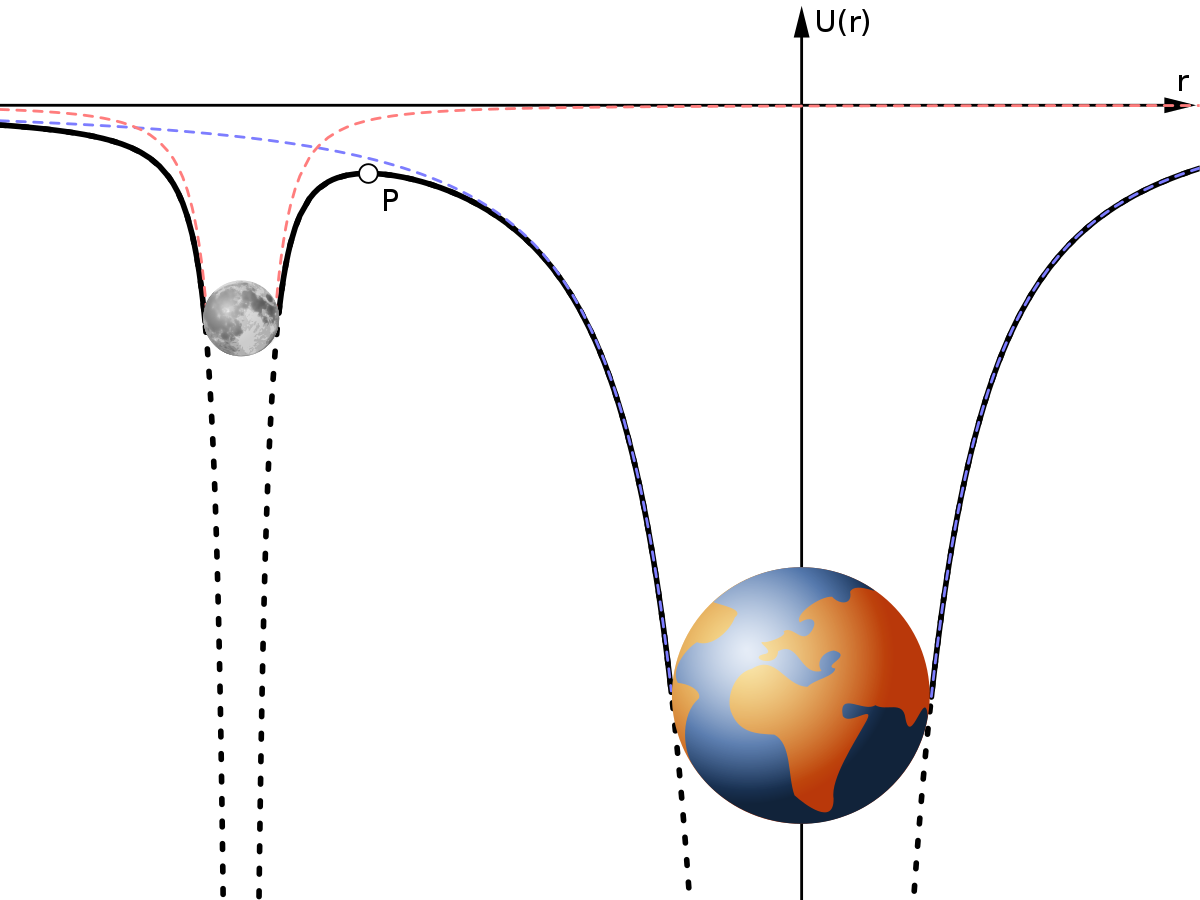
Lead and helium fall at the same rate when only gravity is considered.That is in the orbit. But what about its composition? Like what elements and minerals are they made from?

Lead and helium fall at the same rate when only gravity is considered.
Why would asking a hallucinating algorithm help?Did you watch the video? That might help. Also, consider asking ChatGPT or similar to refine your questions.
Because the person asking is also hallucinating.??
Why would asking a hallucinating algorithm help?

None in particular. It's just a general vibe I get when they pop up in my feed. I'd like to have my question answered with something that isn't a question, because I tend not to trust general vibes.Which of these videos "triggered" you?
What video are you talking about? This one?Lead and helium fall at the same rate when only gravity is considered.
Did you watch the video? That might help. Also, consider asking ChatGPT or similar to refine your questions.
But that one is a picture, not a video. Or are you talking about the one from Astrum? I am not going to watch a 31 minute video whose quality has been questioned.Here you go. The difference is zoomed in on the right.
Questioned for no reason and without evidence.I am not going to watch a 31 minute video whose quality has been questioned.
Actually I did watch Astrum's video after I made the post. It was obvious junk. Discussed if it was a light sail. What rubbish. Just like your post. It did not address my post.Questioned for no reason and without evidence.
You can increase the playback speed. Or you can just ask your questions to google if watching a video with all the info packaged in is too demanding.
Nothing gets by you.It was obvious junk.
That is in the orbit. But what about its composition? Like what elements and minerals are they made from?
I don't think anyone knows what elements and minerals Omuamua was made of. We only had a very faint glimpse of it through telescopes. We know that at least one side of it seems to be more reflective than the others. This could because it is oddly shaped. The discussion of whether it might be a light sail was in the context of discussing a hypothesis proposed by Avi Loeb, a Harvard Professor. I agree that this hypothesis is almost certainly rubbish, but I don't think that means we shouldn't discuss it. I think it's worth considering, even just as a thought exercise.Actually I did watch Astrum's video after I made the post. It was obvious junk. Discussed if it was a light sail. What rubbish. Just like your post. It did not address my post.
...and absolute crank with the most outlandish theories about extraterrestrials that we've discussed at length in other threads....Avi Loeb, a Harvard Professor...

Here is the Wikipedia page on that object:They found 6 objects in the solar system that have acceleration that can't be explained by gravity or solar wind. This one kind of looks like it just turns in another direction:
View attachment 60792

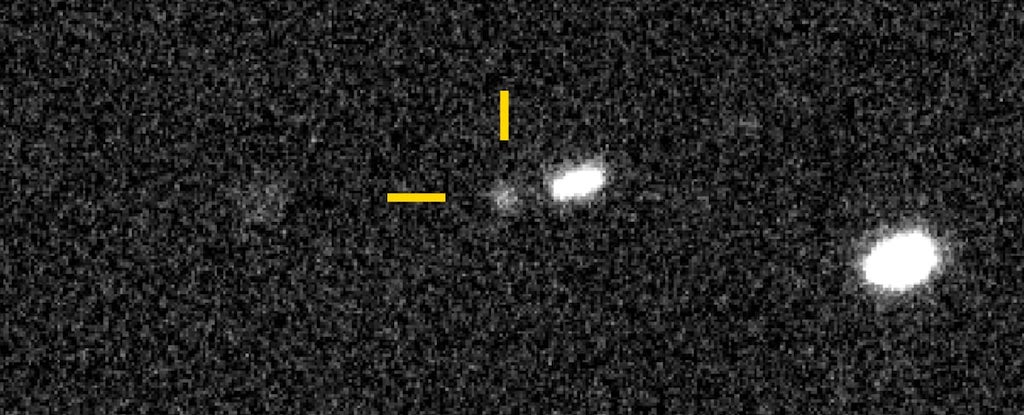
 www.sciencealert.com
Later on in the article there is this:Astronomers on Wednesday confirmed the discovery of an interstellar object racing through our Solar System – only the third ever spotted, though scientists suspect many more may slip past unnoticed.
The visitor from the stars, designated 3I/Atlas by the International Astronomical Union's Minor Planet Center, is likely the largest yet detected. It has been classified as a comet.
Our third visitor
This marks only the third time humanity has detected an object entering the Solar System from the stars.
The first, 'Oumuamua, was discovered in 2017. It was so strange that at least one prominent scientist became convinced it was an alien vessel – though this has since been dismissed by further research.