Puppycow
Penultimate Amazing

Worth a watch and worth a discussion

1h 31mins? Can you summarise?
Worth a watch and worth a discussion
1h 31mins? Can you summarise?
 NO!!
NO!!


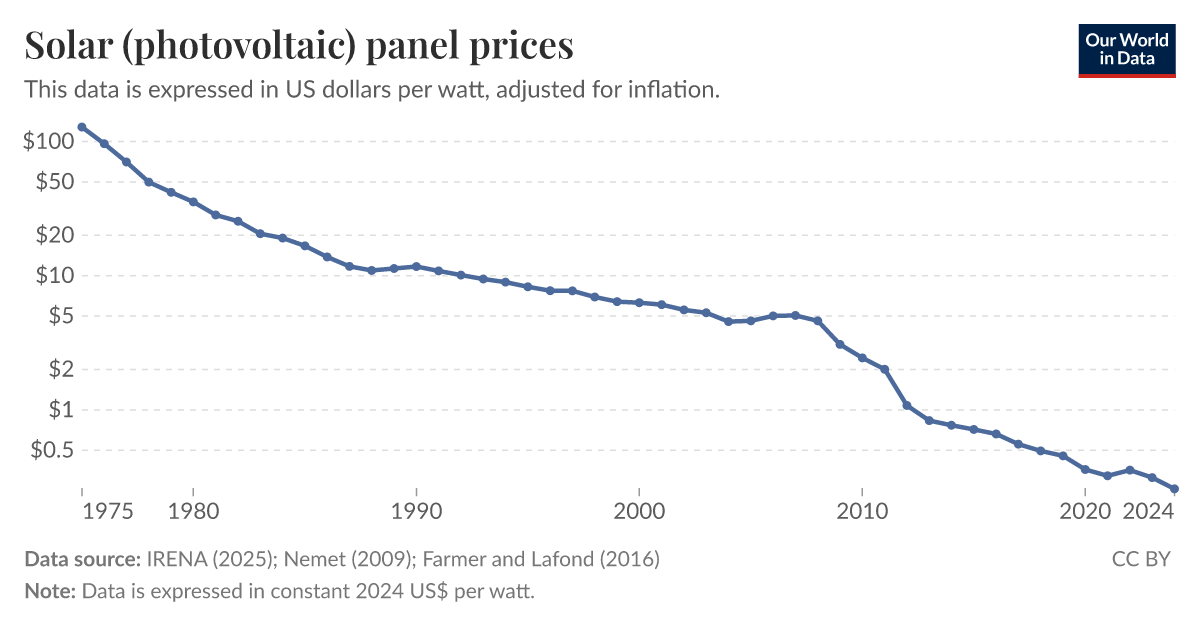
A big pius of solar power, pretty much unlike any other source, is that the costs have been decreasing over time. I attended a seminar on solar power a few years ago and was interested to hear that the overall cost had gone down, not by increased efficiency (which USTR was somewhat minor), but the price of the panels.nice vid, thanks!
some takeaways:
- solar power is cheap, and will get cheaper, because it hardly requires any operating costs, unlike any non-renewable type of power
- the amount of space taken up to grow ethanol crops for gasoline are larger than the space required to provide solar power for all cars in the US - and you don't have to spend money on farming and processing
- solar panels nowadays last 25 years, so the environmental costs of extraction are lower compared to lifetime, and most of a solar panel can be recycled
- current generation batteries can last 15 years on a daily cycle, and remain useful long after that, even accounting for degradation. And they can be recycled. Which again makes extraction a small cost over the entire lifecycle.
All of this in contrast to petrol or natural gas, which are gone once used, thus driving up the cost of the remaining fossil fuels.
and, of course, Dems since Carter have been pushing for more renewables, and Republicans have undone these efforts whenever they are in power.
 ourworldindata.org


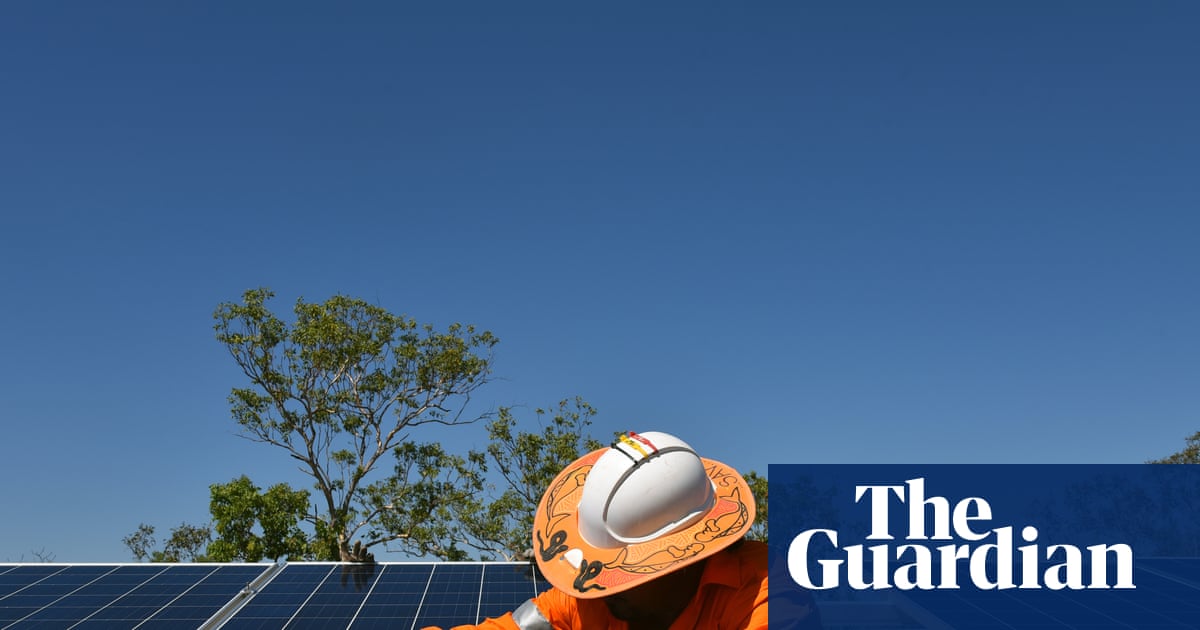
Australia’s grid now relies on renewable energy as much as coal.
Solar met the majority of electricity demand between 9am and 6pm in the past week as much of the country cranked air conditioners
 www.theguardian.com

Cool, now convince western environmental activists to drastically and permanently change the ecosystem of 33,000+ acres of desert.Another effect of solar panels is that they cool their local environment.
This can help with AC in the summer, or give shade to car parks and even crop fields, providing power and reducing the need for irrigation.
The new Gigafarms of solar power in the Chinese Deserts have caused the dew period to extend and the temperature to cool making the desert around them literally bloom.
That's about 50 square miles, about a 7 mile sided square... You got the right units?Cool, now convince western environmental activists to drastically and permanently change the ecosystem of 33,000+ acres of desert.
It's mentioned in the video but all of the cornfields that are used to grow corn for ethanol for fuel (not corn for food) could produce about 35 times more energy (miles driven) with solar panels than with ethanol. You don't necessarily have to put them in places that are pristine natural places. Although personally I think that deserts are a fine place to put solar farms. No choice is perfect or completely without an environmental footprint, but some are lighter than others.Cool, now convince western environmental activists to drastically and permanently change the ecosystem of 33,000+ acres of desert.
Here's one of the citations in the video description:That's about 50 square miles, about a 7 mile sided square... You got the right units?
Also, estimates are that to power the USA 100% on solar would take between 18,000 and 28,000 square miles of panels. Yep, that's a big area. But the USA mainland is just under 3 million square miles. So 30,000 square miles is about 1% of that area. And it doesn't have to be all in one place, nor does it have to be desert. It just has to be relatively sunny. For much of the USA, that's not too difficult an ask. For example, in Australia, 30% of homes have solar panels on their roof, re-using existing available acreage and not covering our deserts.
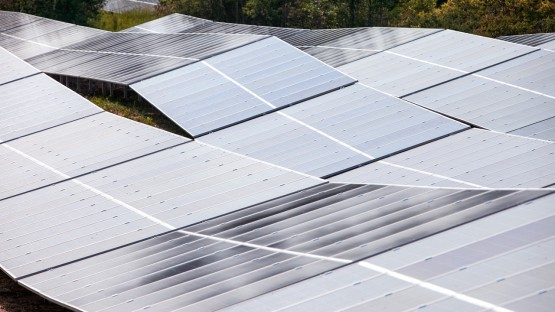
There's 259 hectares per square mile, so 12 million / 259 = 46,332 square miles that are already used to grow corn for ethanol. You can get (at least) about 35 times more miles driven per unit of area with a solar farm than by growing corn to turn into liquid fuel for cars. If you say 18,000 and 28,000 square miles would be enough, if we take the midpoint of that number it's 23,000 or just half of the land we already use to produce ethanol for fuel.In the U.S., 12 million hectares of land – an area about the size of New York state – are currently used to grow corn for ethanol. But strategically converting a small portion of that to solar facilities could vastly increase energy production per hectare, as well as provide ecological benefits and financial resiliency for farmers.
In a paper published April 21 in the Proceedings of the National Academy of Sciences, researchers found that putting solar facilities on just 3.2% of land currently used for corn-ethanol crops would increase the production of utility-scale solar energy from 3.9% to 13%. Adding solar facilities with features that boost biodiversity, such as perennial plants, could provide further benefits, including filtration of runoff and habitats for pollinators and wildlife.
“By envisioning energy development as a part of ecosystems, we can begin to recognize socioecological trade-offs that can inform sustainable land-use change,” said senior author Steven Grodsky, assistant professor of natural resources and the environment, and assistant unit leader of the U.S. Geological Survey New York Cooperative Fish and Wildlife Research Unit, housed in the College of Agriculture and Life Sciences.
“We demonstrated that even small injections of ecologically informed, highly efficient solar in vast cropland landscapes, largely used to produce ethanol fuel, can lead to great potential benefits for people and planet,” Grodsky said.
Using Energy Return on Investment (EROI) as a metric, solar PV is around 8 EROI while corn-derived ethanol is approximately 1.2 EROI. Using this metric, 88% of the energy generated by solar PV goes to society, while 12% is offset by production requirements. In contrast, 20% of the energy generated by corn ethanol goes to society, while 80% is offset by production requirements. Assuming average EROI, net energy production per acre is 100-125x greater for solar PV than for corn-based ethanol. Looking at land-use efficiency, corn-derived ethanol used to power internal combustion engines requires about 85x (range: 63-197x) as much land to power the same number of transportation miles as solar PV powering electric vehicles.
And, of course, there's no good reason to make all our renewable energy solar. There's a good bit of useful hydro power already on line, and despite the claims of some, wind can work pretty well too. So that estimate is a maximum, not a projection of actual need.That's about 50 square miles, about a 7 mile sided square... You got the right units?
Also, estimates are that to power the USA 100% on solar would take between 18,000 and 28,000 square miles of panels. Yep, that's a big area. But the USA mainland is just under 3 million square miles. So 30,000 square miles is about 1% of that area. And it doesn't have to be all in one place, nor does it have to be desert. It just has to be relatively sunny. For much of the USA, that's not too difficult an ask. For example, in Australia, 30% of homes have solar panels on their roof, re-using existing available acreage and not covering our deserts.
That's about 50 square miles, about a 7 mile sided square... You got the right units?
Also, estimates are that to power the USA 100% on solar would take between 18,000 and 28,000 square miles of panels. Yep, that's a big area. But the USA mainland is just under 3 million square miles. So 30,000 square miles is about 1% of that area. And it doesn't have to be all in one place, nor does it have to be desert. It just has to be relatively sunny. For much of the USA, that's not too difficult an ask. For example, in Australia, 30% of homes have solar panels on their roof, re-using existing available acreage and not covering our deserts.
TGZ is talking about Chinese solar gigafarms covering tens (and potentially thousands) of acres of desert wilderness. If rooftop solar is so awesome, why isn't China just putting solar on roofs? Rooves?It's mentioned in the video but all of the cornfields that are used to grow corn for ethanol for fuel (not corn for food) could produce about 35 times more energy (miles driven) with solar panels than with ethanol. You don't necessarily have to put them in places that are pristine natural places. Although personally I think that deserts are a fine place to put solar farms. No choice is perfect or completely without an environmental footprint, but some are lighter than others.
Absolutely. Hydro, for example, has been round for over a century.And, of course, there's no good reason to make all our renewable energy solar. There's a good bit of useful hydro power already on line, and despite the claims of some, wind can work pretty well too. So that estimate is a maximum, not a projection of actual need.
