
In the American Psychiatric Association annual meeting next month, there is a session titled 'Comparison of Clinical Guidelines for Pediatric Gender Dysphoria: What Is the Role of Systematic Evidence Reviews?' It is in the 'scientific sessions' on Sunday May 18th at 10.30 (the abstract can be found using search, no direct link available).
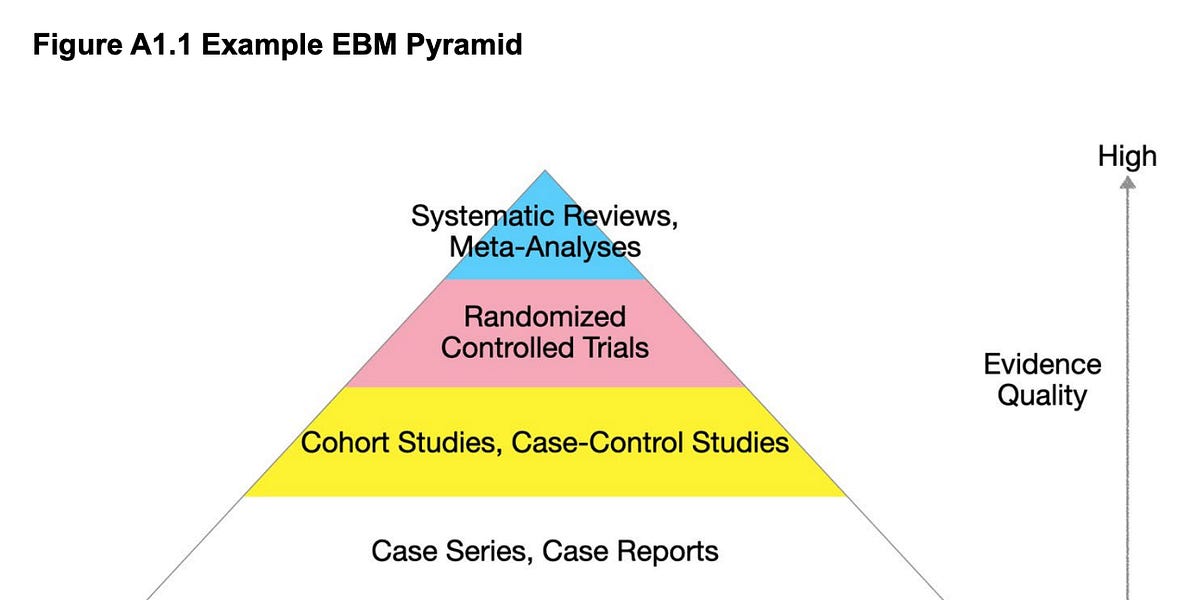
The abstract states: 'Researchers in Europe have conducted multiple separate systematic reviews of the evidence for hormonal interventions in pediatric-age patients with gender dysphoria. These systematic reviews have consistently found uncertain, inconclusive evidence.' It goes on to discuss how these findings have lead to the UK and several European countries shifting away from medical transition to a more psychosocial approach for addressing gender dysphoria in minors. It contrasts these guidelines with those used in the US, which are based on expert opinion and narrative description of study results, and acknowledges controversy in the area (contrary to frequent claims by activists that 'the science is settled').
Unfortunately this session is closed to the press. This is the only session I have noticed that is restricted in this way. I wonder if they are worried about activists trying to shut it down.
This suggests to me that some US institutions are realising they have to address this issue. A few years ago it would have been impossible to have a session addressing this.
The abstract states: 'Researchers in Europe have conducted multiple separate systematic reviews of the evidence for hormonal interventions in pediatric-age patients with gender dysphoria. These systematic reviews have consistently found uncertain, inconclusive evidence.' It goes on to discuss how these findings have lead to the UK and several European countries shifting away from medical transition to a more psychosocial approach for addressing gender dysphoria in minors. It contrasts these guidelines with those used in the US, which are based on expert opinion and narrative description of study results, and acknowledges controversy in the area (contrary to frequent claims by activists that 'the science is settled').
Unfortunately this session is closed to the press. This is the only session I have noticed that is restricted in this way. I wonder if they are worried about activists trying to shut it down.
This suggests to me that some US institutions are realising they have to address this issue. A few years ago it would have been impossible to have a session addressing this.



 I await your evidence.